“What is inbound marketing, exactly?” A client asked me that mid-meeting last year, and I remember not having a quick one-line answer ready, even though I’d been doing this for a while. He’d heard the phrase in half a dozen pitches. Nobody had ever actually walked him through it. So that’s what this post is for. When’s the last time you bought something purely because an ad popped up? Hard to think of one, right? Most people search it up first – a review here, a blog post there, maybe a question in some Facebook group. That’s just how buying works now, for pretty much everyone, and it’s the reason inbound marketing turned into such a big deal for businesses trying to grow online.
This post covers what the term actually means, what it looks like once it’s running, and a rough map for building your own strategy. Arafin Media put this together to make that part less confusing.
What is Inbound Marketing?
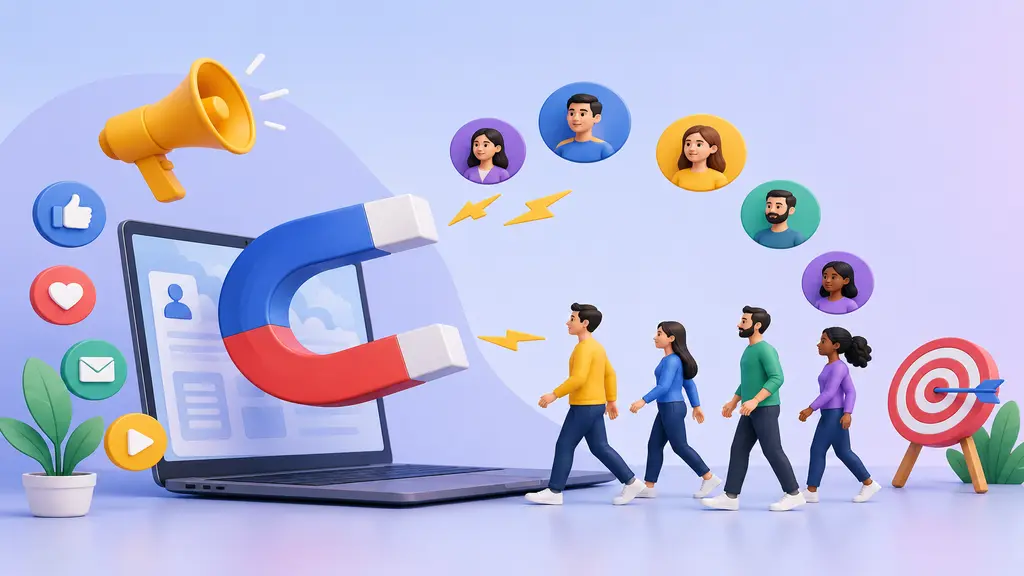
Strip the jargon out and what is inbound marketing comes down to earning attention instead of paying to interrupt someone for it. Nobody’s getting an ad shoved in their face here. You put something worth their time out into the world (a blog, a video, a free guide, doesn’t matter much which) and let decent SEO put it where the right person will actually find it.
Somebody’s dealing with a problem, types it into Google, lands on a page that solves it, sticks around. Nobody dragged them there – they found it themselves. That’s inbound marketing, more or less, in one sentence. Old-style marketing shows up whether you asked or not. Inbound waits for you to come looking first.

Key Features of Inbound Marketing
A few things separate this from the more traditional route.
- Built around content: not around interrupting people. Every piece is there to answer something real, not to squeeze a pitch into every other line.
- Customer decides when to engage: nobody’s getting a call mid-dinner trying to close a deal here.
- Plays the long game: never really about one sale, more about earning enough trust that people willingly return.
- Search visibility matters a great deal: get keywords and page structure right and the content just keeps working, no per-click bill attached.
- You can actually measure what’s working: no more guessing whether last month’s push did anything at all.
Stages of Inbound Marketing
Three stages, roughly, and they line up with how someone naturally moves from stranger to paying customer.
- Attract: blogs, SEO, social posts, video – whatever gets the right people onto your site. Just turning strangers into visitors at this point, nothing more.
- Engage: once someone’s browsing, emails, landing pages, or a plain contact form nudge things along and turn that visitor into an actual lead.
- Delight: and this one gets skipped a lot. Keep being useful after the sale and people end up recommending you without anyone asking them to.

Inbound Marketing vs Outbound Marketing
I get asked to untangle this one constantly.
Outbound is the old-school stuff most of us grew up around: TV spots, cold calls, spam in your inbox, billboards you pass on the way to work. None of it was requested. It just gets broadcast at everyone, hoping something lands.
Inbound flips that. Someone searches a question, your content happens to have the answer, they click through because they want to – not because they got interrupted. Half the time it barely registers as marketing at all.
And then there’s cost, which is usually what makes a business owner actually pay attention. Outbound tends to run expensive, and results dry up the moment spending stops. Inbound takes longer to build momentum, sure, but once a page starts ranking it can keep pulling visitors in for years without another rupee going into it.
Benefits of Inbound Marketing
Why bother, then? A few reasons keep surfacing.
- Organic traffic: keeps arriving month after month once something ranks, no per-click charge attached.
- Stronger credibility: solve someone’s problem for free enough times and trust in the brand builds almost on its own.
- Leads that convert better: someone who read a few articles before reaching out is already halfway sold, unlike a random ad-click.
- Content that keeps earning its keep: one solid post, written once, can bring in traffic for years with barely any upkeep.
- Better return: generally beats paid ads, measured over a year or two.
How to Build an Inbound Marketing Strategy
Doesn’t need a big team or budget to start. Here’s roughly the order most businesses work through, though nobody follows it perfectly.
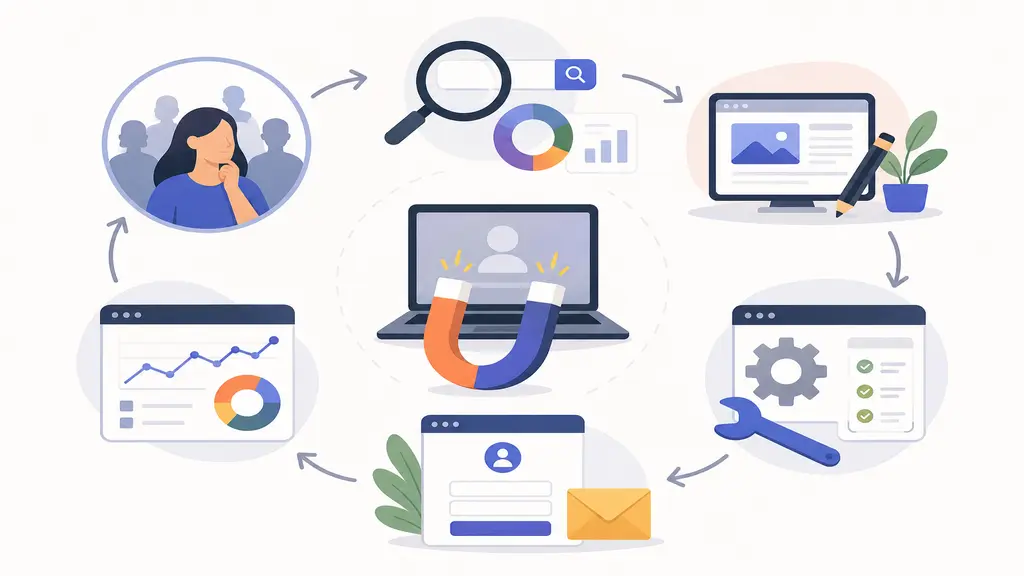
- Target audience: who exactly you’re talking to, what’s bothering them, what they type into Google at midnight.
- Keyword research: not what you assume people search for – what they’re actually searching for.
- Publish consistently: one useful post a week beats five crammed into a month followed by three months of nothing.
- Basic SEO: titles, meta descriptions, headings, a handful of internal links. Unglamorous, but it works.
- Capture leads: a form, a free download, a newsletter, anything that gives people a reason to stay in touch.
- Analytics: check every couple of weeks and quietly drop whatever isn’t earning its place.
Real-World Examples of Inbound Marketing
Easier to grasp once you’ve seen it somewhere real. Grameen Solar’s article section answers genuine questions people have about solar energy, and that alone pulls readers in without any push. Clipping Creations India leans on detailed service pages built to catch organic search traffic instead of paying for every visitor. Then there’s the AutoCAD India blog, which publishes tutorials solving everyday problems for its readers – about as clean an example of this working as you’ll find. Almost any business could borrow some version of this same approach, regardless of industry.
Conclusion
Alright, back to that original question – what is inbound marketing, when you strip everything else away? Basically it’s about earning someone’s attention with content that’s actually worth their time, rather than paying to interrupt people who never asked to hear from you in the first place. Results won’t show up in a week. That is not how it works. After a few months, you will see traffic gradually start to increase on its own. People begin to trust the brand—not because of advertisements, but because you have already been of some help to them. And when leads or customers do arrive, the process of connecting with them is seamless, as these are individuals who have come here already interested in what you offer.
Want to actually build something like this for your business? Arafin Media handles the content side, the SEO side, and the bits that connect the two.