Among the earliest hurdles online businesses encounter, is regarding driving people to your website. You might have a great website and some helpful, amazing services or products, but it does no good till potential customers cannot find you.
The nice thing is that traffic towards a site does not come from just one source. You attract Visitors through search engines, social media, email marketing, paid ads, referrals and other sources. The right rules depend on your market for the audience, industry, and goals of your business providing you.
This guide will teach you how to drive more traffic to your site and convert more of those visitors into leads or customers.
How Can I Drive Traffic to My Website?
You can drive traffic by combining several marketing channels instead of depending on one source.
Some of the most useful methods include:
- SEO
- Content marketing
- Social media
- Email marketing
- Paid search advertising
- Social media advertising
- Referral traffic
- Online communities
- Influencer marketing
- Video marketing
- Local SEO
- Website optimization
You don’t have to use all of them at once. Instead, choose the channels that match your audience and resources.
1. Improve Your SEO
Search engine optimization is one of the most useful ways to attract long-term organic traffic. SEO helps your website appear when people search for topics, products, or services related to your business.
For example, if you run an image editing company, you could target searches such as:
- Image editing services
- Product photo editing
- Background removal service
- Ghost mannequin service
- Clipping path service
Start by researching the keywords your potential customers use.
Then, create pages that answer those searches clearly.
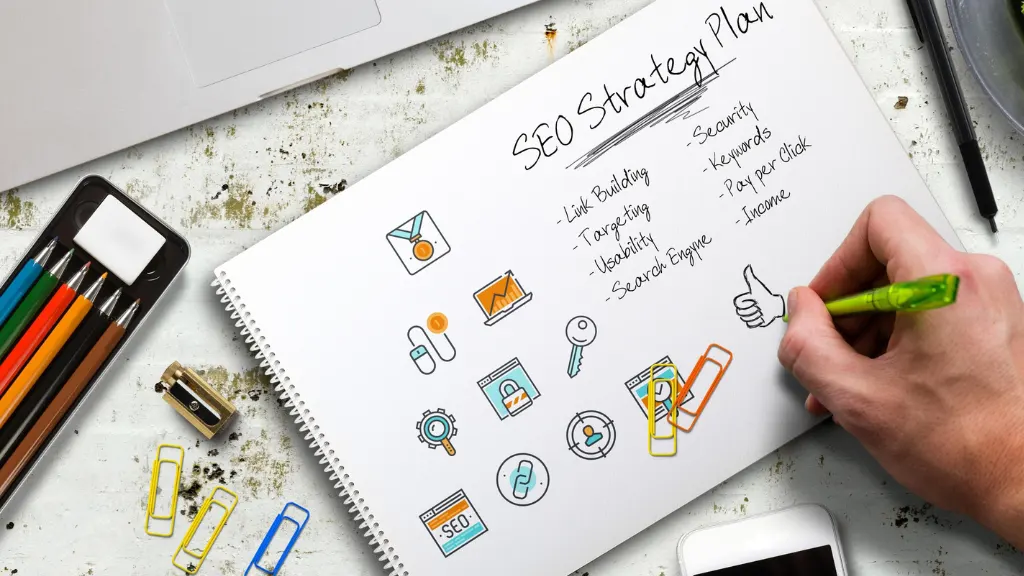
Your SEO strategy should include:
- Keyword research
- Search intent analysis
- Useful content
- Internal linking
- Technical SEO
- Mobile-friendly design
- Fast page performance
- Clear page titles
- Descriptive URLs
- Helpful meta descriptions
However, don’t stuff keywords into your pages. Write for people first and use keywords naturally.
2. Create Helpful Content
Content marketing can bring visitors to your website by answering questions your audience is already asking.
For example, a digital marketing agency could publish articles about:
- How to choose keywords
- What is SEO?
- How to create backlinks
- What is search engine marketing?
- Why local SEO matters
- How to improve website speed
Each article creates another opportunity to appear in search results. Moreover, useful content can give visitors a reason to explore other pages on your website.
Try to create content that provides something useful rather than publishing articles simply to increase your word count.
You can create:
- Blog posts
- Tutorials
- Guides
- Case studies
- Checklists
- Templates
- Videos
- Research reports
- FAQs
Over time, a strong content library can become a steady source of organic visitors.

3. Use Social Media
Social media can help you reach people who may not discover your website through search engines.
Choose platforms where your target audience actually spends time.
For example:
- LinkedIn can work well for B2B businesses.
- Instagram can work well for visual brands.
- Facebook can help local and consumer-focused businesses.
- YouTube can work well for educational and demonstration-based content.
- X can help businesses participate in industry conversations.
Don’t simply post links to your website every day. Instead, share useful information directly on the platform and give people a reason to visit your website for more details.
For example, if you publish a detailed SEO guide, you could turn its main points into several social posts. As a result, one piece of content can support multiple traffic sources.
4. Build an Email List
Email marketing can bring visitors back to your website. Unlike search or social media, you don’t have to wait for an algorithm to show your content to your subscribers.
You can send emails when you publish:
- New blog posts
- Product updates
- Special offers
- Case studies
- Helpful guides
- Industry insights
- New services
For example, suppose someone downloads your SEO checklist. You can ask for their email address in exchange for the resource, with appropriate consent.
Later, you can send useful content that brings that subscriber back to your website. However, avoid sending emails only when you want to sell something. Helpful and relevant emails are more likely to keep people engaged.
5. Use Google Ads
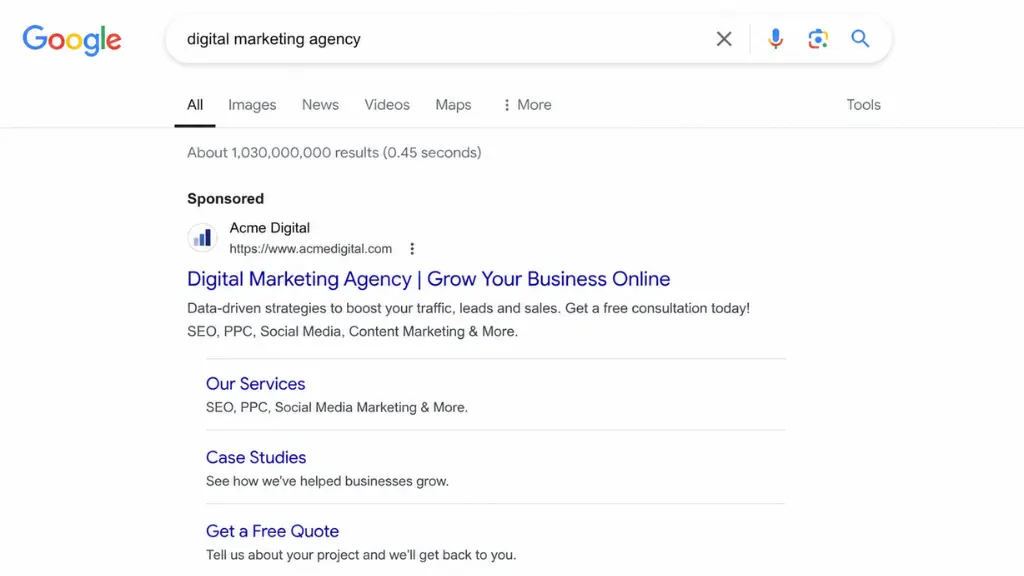
Paid search advertising can generate website traffic quickly. With platforms such as Google Ads, businesses can target people who search for specific products or services.
For example, a digital marketing agency might advertise for searches related to:
- Digital marketing agency
- SEO services
- PPC management
- Local SEO services
The advantage is that you can reach people who already show interest through their search behavior. However, paid traffic costs money. Therefore, track conversions instead of focusing only on clicks.
Monitor metrics such as:
- Click-through rate
- Cost per click
- Conversion rate
- Cost per conversion
- Conversion value
- Return on ad spend
A campaign that generates 1,000 clicks but no customers needs attention.
6. Promote Your Website With Social Ads
Organic social media isn’t your only option. You can also use paid advertising on platforms such as Facebook and Instagram to send targeted visitors to your website. Social advertising allows you to reach audiences based on factors such as interests, demographics, location, and other available targeting options.
For example, an online clothing store could promote a new product collection to people who fit its target audience.
Meanwhile, you can use remarketing campaigns to reach people who previously visited your website. This can be useful because visitors often need more than one interaction before making a purchase.
7. Earn Backlinks
Backlinks are links from other websites to your website. When relevant websites reference your content, they can send referral visitors to your pages. In addition, backlinks can support your broader SEO efforts.
You can earn backlinks by creating resources that other websites genuinely want to reference.
For example, create:
- Original research
- Industry statistics
- Detailed guides
- Free tools
- Templates
- Case studies
- Useful calculators
You can also contact relevant websites when you have a resource that genuinely fits their content. Avoid buying low-quality links or using spammy link-building tactics. Instead, focus on earning relevant editorial mentions.
8. Participate in Online Communities
Online communities can be a useful source of targeted traffic.
Depending on your industry, these communities may include:
- Facebook Groups
- LinkedIn Groups
- Industry forums
- Professional communities
- Question-and-answer platforms
The key is to participate genuinely. Don’t join a community and immediately post links to your website.
Instead, answer questions, share useful information, and participate in discussions. When your website provides a relevant resource, you can mention it where the community rules allow it. This approach can bring highly relevant visitors while helping you build credibility within your industry.
9. Use Video Marketing
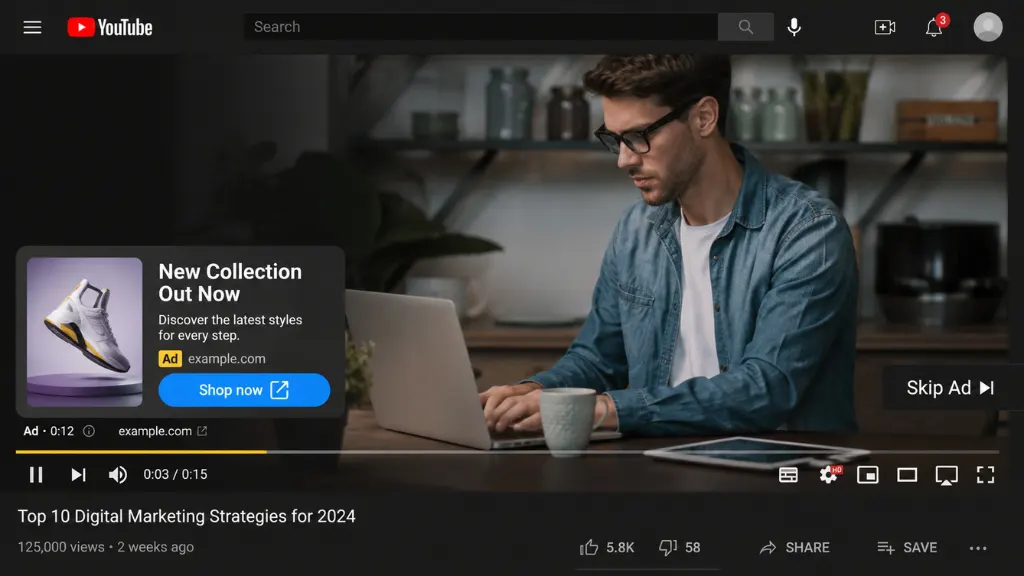
Video can attract visitors through platforms such as YouTube and social media. You don’t need a huge production setup to get started.
You can create videos that:
- Answer common questions
- Demonstrate a product
- Explain a process
- Review a service
- Share industry tips
- Show tutorials
For example, an SEO agency could create a video explaining how to perform basic keyword research. The video can then direct interested viewers to a detailed guide on the agency’s website.
Furthermore, you can embed the video into the related website article. That way, the same topic can reach people through both search and video platforms.
10. Focus on Local SEO
If your business serves a specific location, local SEO can help you attract nearby customers. Start by creating and maintaining an accurate Google Business Profile.
Then, make sure your website clearly explains:
- Where you operate
- What services you provide
- How customers can contact you
- Your business hours
- Relevant service areas
You can also create location-specific pages when they provide genuine value. For example, a digital marketing agency serving Toronto could create a useful page about its digital marketing services in Toronto. However, avoid creating dozens of nearly identical location pages just to target different cities.
11. Work With Relevant Partners
Partnerships can introduce your website to a new audience. For example, a web design company could partner with an SEO agency. A photographer could work with a photo editing company. A business consultant could collaborate with an accounting firm.
You can create:
- Joint webinars
- Expert interviews
- Co-written guides
- Podcasts
- Industry events
- Partner resources
As a result, both businesses can reach people who may already have an interest in their services. The partnership should make sense for both audiences.

12. Improve Your Website Experience
Getting visitors to your website is only half the job. You also need to give them a reason to stay. A poor website experience can cause visitors to leave before they explore your products or services.
Therefore, check your website for:
- Slow loading pages
- Difficult navigation
- Broken links
- Poor mobile design
- Confusing calls to action
- Intrusive pop-ups
- Hard-to-read content
- Complicated forms
Make important information easy to find. For example, your homepage should quickly communicate what you offer and who you serve.
Similarly, your service pages should explain the service, benefits, process, and next step clearly.
Final Thoughts
It isn’t about one secret strategy to drive traffic to your website that you need to learn. What it takes right now is some combination of helpful content, SEO, social media, email marketing, paid ads, referrals and a great website experience.
Begin with the channels that are within your audience and budget. Next — measure the outcomes & spend more time on the tactics that yield qualified visitors and real business revenue.
The biggest lesson of all: stop chasing traffic for the sake of it. A lesser number of interested visitors isn’t a waste, whereas thousands who have no reason to buy is.
Develop content that is actually valuable, ensure your site easy to use, where necessary advertise within areas frequented by your audience and continue refining through tried-and-true statistics. If successful, these efforts will make your website a reliable steam of traffic, leads and customers over time.