Ever clicked a link and noticed it ended in “.org” instead of the usual “.com”? Most people don’t think twice about it. But there’s a reason that little detail sticks in your head a bit longer — .org just reads differently. More official. A touch more trustworthy, even if you can’t quite explain why. So, what does .org mean, really? In plain terms, it’s short for “organization.” It was one of the first domain extensions ever created, way back in 1985, and it was originally meant for non-profits, charities, and community groups — not businesses trying to sell you something. These days that line has blurred a lot. Schools use it. Bloggers use it. Even some businesses grab a .org domain just for the credibility boost. This post breaks down what does .org mean in real, practical terms — where it came from, who it actually suits, and how it holds up against .com and .net. If you’re stuck deciding on a domain, this should clear things up.
What Does .Org Mean and Where Did It Come From?
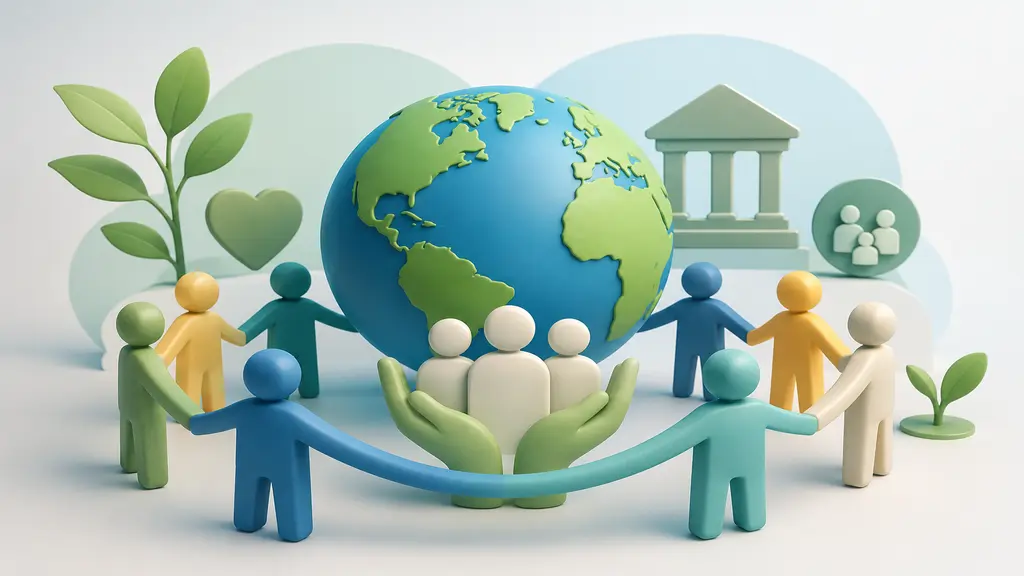
So here’s the history bit, and it’s actually kind of interesting. In 1985, the internet’s very first domain extensions were rolled out together: .com, .net, .edu, .gov, and .org. Five extensions, five different purposes. “.Org” comes from “organization” — nothing fancy there — and it was carved out specifically for groups that weren’t chasing a profit. That’s the real answer if you’re wondering what does .org mean at its root: it was built for people doing work, not selling products. You still see that legacy today in who tends to pick it:- Non-profit organizations: Charities and advocacy groups gravitate toward .org because it says “we’re not here to sell you anything” before you’ve even read a word.
- Educational and research bodies: University research arms, think tanks, independent study groups — a lot of them go with .org to signal public-interest work.
- Community and volunteer groups: Local clubs, neighborhood associations, volunteer projects. It’s an easy way to earn a little trust upfront.
- Open-source and tech communities: Plenty of software foundations run on .org too, mostly to draw a line between “collaborative project” and “product for sale.”

Who Should Use a .Org Domain?
Knowing what .org means is one thing. Figuring out if it’s right for you is a different question entirely. Anyone can buy one — no gatekeeping involved — but it doesn’t fit every kind of project equally well. A few cases where it genuinely makes sense:- Charities and non-profits: If donations or public trust are the backbone of what you do, .org does a chunk of the credibility work before anyone reads your homepage.
- Advocacy or awareness campaigns: Health causes, environmental work, social issues — these tend to sit naturally under .org since the tone matches.
- Membership groups and associations: Alumni networks, professional bodies, clubs. It reads as “we” rather than “I’m selling you something,” which fits.
- Educational projects and independent blogs: If your site exists to inform rather than pitch a product, .org usually feels more honest.
.Org vs .Com vs .Net: What’s the Real Difference?
This question always tags along with what does .org mean, so let’s get into it. Here’s the breakdown, stripped of jargon:- .com (commercial): Still the default. Most businesses go here because it’s what people type without thinking. Familiarity counts for a lot.
- .org (organization): Leans toward non-profits and mission-first projects — anything that wants to feel less “we’re selling you something” and more “we’re doing something.”
- .net (network): Originally built for ISPs and networking companies. Its use has drifted well beyond that original scope by now, but the “tech” flavor still lingers a little.
Benefits of a .Org Domain
Setting the history aside, here’s what actually matters if you’re choosing a domain today:- Instant-ish credibility: People extend a bit more trust before they’ve read anything, purely because of the extension.
- Better fit for cause-driven work: If your whole organization revolves around a mission, having that baked into the URL just reinforces it.
- Easier to find available names: Good .com names are basically gone at this point. .org still has room to breathe, especially for newer projects.
- Recognized everywhere: Like .com, people across different countries understand what .org signals, so it travels well internationally.
- A small, indirect SEO boost: Not from the extension itself — from the trust it builds, which nudges click-through rates up over time.
Common .Org Domain Misconceptions
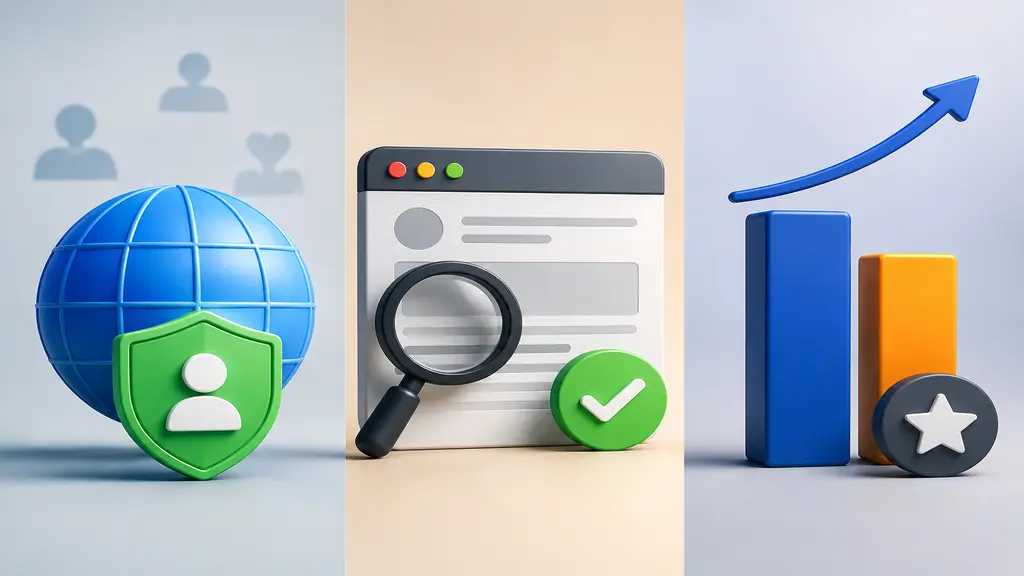
There’s some noise around this topic that’s worth setting straight:- “Only non-profits are allowed to use .org”: Nope, anyone can register one. It just tends to fit mission-driven brands better.
- “A .org address proves legitimacy”: Not automatically. The extension doesn’t verify charity status or anything else — check the About page, check for real contact details, do your homework.
- “It outranks .com on Google”: It doesn’t, full stop. Rankings come from content quality and relevance, not from three letters after the dot.