While backlinks are still a big part of SEO (as they aid search engines in not only discovering these pages, but also determining how the rest of the internet is connecting to your content). But it’s not so much about just acquiring as many backlinks as you can. Instead, focus on only building links from related quality websites.
First things first, if you are wondering how to create backlinks, create something worthy of linking. Next, look for websites, publishers and community starters that might actually find your content useful. You then do outreach, get listed on resource pages, practice digital PR, guest contribution and more — ethical ways to earn relevant links.
This link building guide makes you know the practical ways without spammy and flagged tricks to build backlinks.
What Is a Backlink?
A backlink refers to a link that points from another website to any page on your site. So I publish a comprehensive guide on local SEO for example. A related marketing website finds your guide helpful and links to it from one of its articles. That link counts as a backlink for your site.
Backlinks enable users to learn about useful resources. They also assist search engines in finding new pages and comprehending connections between websites. According to Google, links are relevant and can also help Google discover new pages to crawl.
However, backlinks are not all created equal. One good link from a reputable site in your industry can be significantly more valuable than hundreds of irrelevant links from low-quality websites. So steer clear of relevancy, usefulness and real editorial value.
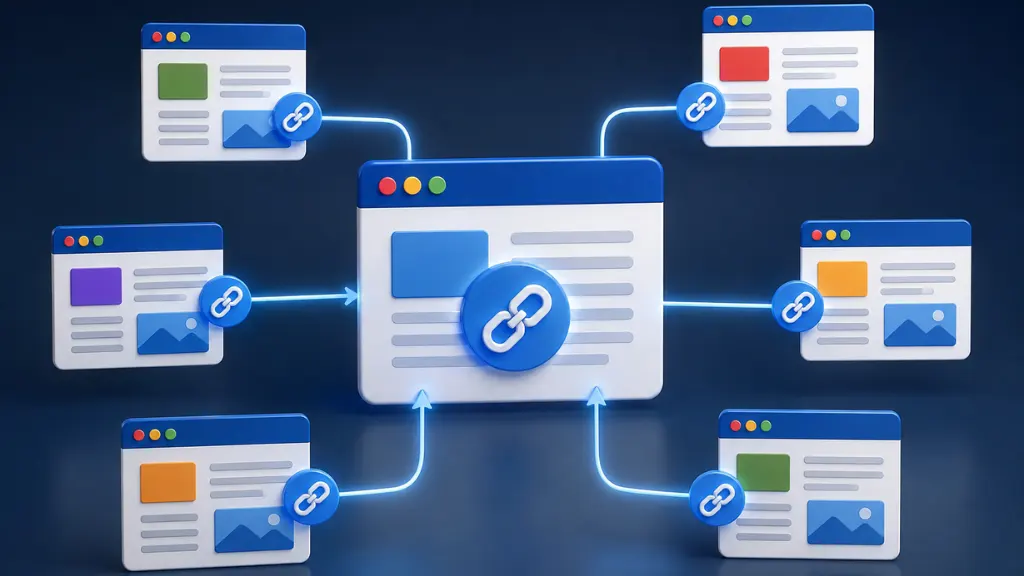
How to Create Backlinks
There isn’t one single method for creating backlinks. Instead, you can use several approaches depending on your industry, content, resources, and audience. Before you start outreach, make sure your website has useful pages that deserve attention. These may include original research, detailed guides, calculators, statistics, case studies, templates, tools, or helpful tutorials. Once you have link-worthy content, try the following methods.
1. Create Link-Worthy Content
The easiest backlink to earn is often one that another website wants to reference naturally. Therefore, start with your content. Instead of publishing short articles that repeat information found everywhere, create something that adds a clear reason to link.
For example, you could publish:
- Original industry research
- Detailed how-to guides
- Statistics pages
- Case studies
- Free templates
- Checklists
- Calculators
- Original surveys
- Expert interviews
- Useful tools
- Visual resources
Suppose you run a digital marketing agency. Rather than publishing another general article about SEO, you could create a practical technical SEO checklist for small businesses. Other websites may then reference that checklist when discussing website audits. As a result, your content can attract links without asking every website owner for one.
2. Find Websites That Already Link to Similar Content
Competitor research can reveal useful backlink opportunities. Start by identifying websites that link to similar resources in your industry. Then, review why those websites linked to the content.
For example, suppose a competitor has a guide about local SEO that receives links from marketing blogs, business directories, and industry publications.
You can study those linking pages and ask:
- Why did they link to the resource?
- Is the page still useful?
- Can you create something better?
- Does your content provide additional information?
- Would your resource genuinely help their readers?
Don’t simply copy your competitor’s backlink profile.
Instead, use it to understand where relevant audiences and publishers already exist.
3. Use Resource Page Link Building
Resource page link building involves finding pages that curate useful resources for a specific audience.
For example, a university website may have a page listing useful marketing resources. A business organization might maintain a collection of small-business guides. Likewise, an industry publication may publish a list of recommended tools. These pages can provide relevant opportunities when your content genuinely fits the topic.
Start by searching Google for phrases such as:
- Useful SEO resources
- Digital marketing resources
- Small business resources
- SEO guides
- Marketing tools and resources
- Helpful content marketing resources
Next, review each page carefully. If your resource fits the page, contact the website owner with a short and useful message. Don’t ask for a link without explaining why your resource belongs there. Instead, point out the specific resource and explain how it can help their audience.
4. Write Guest Contributions
By winning guest contributions, the related audience can be reached and exposure is gained. Do not think of guest posting as publishing the same article on hundreds of sites. Instead, seek out sites that are already catering to your ideal customer.
A web development agency, for instance, may publish an article on some tech site on the subject of website performance. For example, a local-search expert might push a piece with practical advice to the small-business website. This should first suit the publication. Following that, produce helpful content with visible domain expertise.
Include this distantly if the publisher permits an author bio or a relevant link — and do so strategically. Avoid trying to shoehorn exact-match anchor text into the post.

5. Build Relationships With Industry Websites
Link building becomes easier when you build genuine relationships within your industry.
Start by identifying:
- Industry publications
- Bloggers
- Business owners
- Journalists
- Podcast hosts
- Researchers
- Professional communities
- Event organizers
Follow their work and engage with useful discussions. For example, you might share a publisher’s article because you genuinely found it useful. Later, that publisher may discover your research or guide and decide to reference it. The goal isn’t to exchange links artificially. Instead, build relationships that create opportunities for useful collaboration and exposure.
6. Create Original Research
Original data can attract backlinks because publishers often need reliable sources for their own content. For example, you could conduct a survey of 100 small businesses about their digital marketing challenges.
Then, publish the results with:
- Clear methodology
- Data tables
- Key findings
- Charts
- Practical conclusions
When another publisher discusses the same topic, they may reference your research. Furthermore, journalists and bloggers often look for original statistics to support their articles. That makes research-based content particularly useful for earning editorial links.
7. Use Digital PR
Digital PR combines public relations with online content promotion.
For example, you can create a story around:
- Original research
- New industry data
- Expert opinions
- Business trends
- Unique case studies
- Local business insights
Then, pitch the story to relevant journalists and publications. The strongest pitches focus on the story rather than simply asking for a backlink. If a journalist finds your information useful, they may mention your business and link to your original research or source.
8. Find Broken Link Opportunities
Broken link building involves finding links on other websites that no longer work and suggesting a relevant replacement. First, find a relevant article or resource page. Next, check whether it contains broken external links. Then, determine whether you have a page that genuinely provides similar information. If you do, contact the website owner and politely mention the broken link.
For example:
I noticed that one of the resources on your page no longer appears to work. I also have a guide covering the same topic, so I thought it might be useful as a replacement.
Keep the message short.
More importantly, don’t create a page solely to replace a broken link unless the topic makes sense for your website.
9. Promote Useful Content on Social Media
Keep in mind that social media links are not the same as links coming from authority websites direct to an article on your site. However, social promotion gets your content in front of people who may one day use it in s citation.
As an example, you could reshare a report on LinkedIn. People in the industry might see it, talk about it or share it with their audience. A person searches for the resource and finds it, or some blogger / journalist stumbles across the resource and puts a link in their website. So, social media can indirectly help you get links.
10. Create Expert Roundups Carefully
Expert roundups can attract attention when they provide genuine value. For example, you might ask several SEO professionals one specific question:
Link Building Tips
Good link building requires patience and judgment. So, keep these tips in mind as you build your strategy.
Focus on relevance: A link from a website in your industry usually makes more sense than a random link from an unrelated site.
Create useful content first: Outreach works better when you have something genuinely worth referencing.
Personalize your outreach: Mention the specific page you’re contacting them about. Avoid sending the same generic message to hundreds of websites.
Use natural anchor text: The words around a link should help readers understand where the link leads. Google also recommends clear, relevant anchor text so users and search engines can understand links more easily.
Track your results: Record the websites you’ve contacted, responses, links earned, and pages receiving those links.
Be patient: Good backlinks can take time to earn.
Most importantly, don’t measure success by backlink quantity alone.

Link Building Guide: What to Avoid
A good link building guide should also explain what not to do. Avoid buying backlinks solely to manipulate search rankings.
Also avoid:
- Link farms
- Automated link-building software
- Spam comments
- Irrelevant directory submissions
- Excessive reciprocal links
- Private blog networks created for manipulation
- Mass guest posting with keyword-rich anchors
- Links from unrelated websites
- Large-scale low-quality outreach
- Hidden links
Google’s spam policies prohibit tactics designed to manipulate search rankings, and violations can lead to lower rankings or removal from search results.
Therefore, don’t treat backlinks as a numbers game. A smaller number of relevant, genuine links can make more sense than hundreds of questionable links.
How to Know if a Backlink Is Good
Before pursuing a backlink, ask a few simple questions.
Is the website relevant?
A link should make sense within the website’s topic and audience.
Does the page have real value?
Look at the quality of the website and its content rather than relying only on third-party authority metrics.
Would a real reader click the link?
This is a useful test. If the link provides no benefit to readers, reconsider the opportunity.
Is the link editorially justified?
A natural reference within useful content is generally more meaningful than a forced placement.
Does the website appear trustworthy?
Avoid websites that exist mainly to publish low-quality links.
These questions can help you separate genuine opportunities from risky ones.
How to Track Your Backlinks
After earning links, track them regularly.
You can monitor:
- Referring domains
- Linking pages
- Target URLs
- Anchor text
- New backlinks
- Lost backlinks
- Referral traffic
Google Search Console can also provide information about links pointing to your website. Additionally, SEO platforms such as Ahrefs and Semrush can help you monitor backlink profiles and discover new opportunities.
However, don’t become obsessed with every new link. Instead, look at the overall quality and relevance of your backlink profile.
How Long Does Link Building Take?
There is no fixed timeline for link building. Some opportunities can produce a link within days. Others may take weeks or months.
The timeline depends on:
- Content quality
- Industry
- Website authority
- Outreach quality
- Publisher response
- Relationship with the website owner
- Newsworthiness of the content
For example, original research may attract links naturally after promotion. Meanwhile, a resource page opportunity may require direct outreach. Therefore, treat link building as an ongoing SEO activity rather than a one-time campaign.
Final Thoughts
Backlink building is less about the hacks, and more about making it easy for others to reference your site as a resource of information. Start by publishing useful resources. Next, find websites of similar niche that target the same audience as you do. It can then be followed with resource page link building, guest contributions, broken link opportunities, digital PR and original research and genuine outreach.
On the other hand, never resort to spammy tactics and paid links designed to fool rankings. Google can punish any website which break its spam policies. Most importantly, think about the reader first before thinking of the backlink.
Whether your resource solves a problem, answers a question that needs to be answered, helps people understand data, or helps them make a decision gives you all the better reasons to achieve links. This is the basics of sustainable link building.