
What Is an SEO Report and Why Does It Matter?
An SEO report is like a health checkup for your website. Just as a doctor reviews test results to check a patient’s health, this report reviews your rankings, traffic, and technical performance. It shows which keywords are driving traffic. It also shows which pages are rising or falling, and which technical issues are holding your site back. Why does this matter? Because SEO is not a one-time task. It is an ongoing process. Search engines update their algorithms often. Competitors publish new content regularly. And user behaviour keeps shifting. Without regular reporting, you cannot know if your strategy is still working, or if it needs a change.
A good report removes the guesswork. It gives you real numbers, so you can make confident decisions about content, backlinks, and website structure. There is another benefit too: accountability. If you work with an agency or freelancer for SEO, the report becomes proof of the work being done. It answers a question every business owner eventually asks: is this investment paying off? A clear report answers that honestly, whether the news is good or bad. And that honesty is what makes a long-term SEO strategy easy to trust.
Key Elements Included in a Professional SEO Report
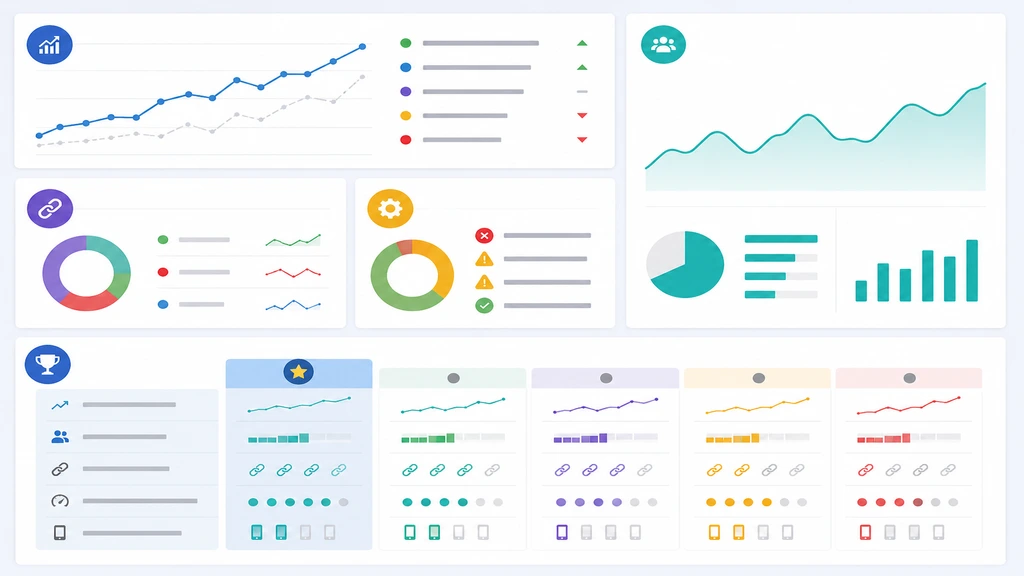
A proper SEO report is not just one number or a ranking screenshot. It usually includes several parts, and each one tells a different part of the story.
- Keyword ranking positions – This shows where your target keywords rank on Google, compared to previous weeks or months. So, you can spot progress or decline at a glance.
- Organic traffic overview – This shows how many visitors come from search engines, which pages they land on, and how that trend moves over time.
- Backlink profile summary – Backlinks remain a strong ranking signal. So, this section lists new links, lost links, and the authority of sites linking to you.
- Technical SEO health – This covers page speed, broken links, missing meta tags, and mobile usability. All of these affect how search engines crawl and rank your pages.
- Competitor comparison – Many reports also compare your performance with key competitors. This helps you set realistic, achievable goals.
Together, these parts paint a full picture. Relying on just one metric, like traffic alone, can easily be misleading.

How to Read and Interpret an SEO Report
Reading an SEO report is less about memorizing numbers. It is more about spotting trends. A single week of lower traffic is not a big deal. But a steady three-month decline across several keywords is a signal worth checking. The same logic applies to backlinks. A jump in links only helps if they come from relevant, trustworthy sites, not low-quality directories.
So, when you review a report, ask a few simple questions. Are your target keywords moving closer to page one? Is your traffic growing steadily, or does it spike and drop without warning? Are technical errors increasing? This could mean a recent website change broke something. These questions turn raw data into a real strategy. A few practical checkpoints make this process much easier, especially if you are not an SEO specialist yourself.
- Compare month over month, not week over week – Short-term swings are normal. They are often caused by seasonality or algorithm testing. Monthly trends give a far more reliable signal.
- Prioritize revenue-driving keywords first – Not every keyword deserves equal attention. Movement on keywords tied to real sales or leads matters more than movement on low-value terms.
- Watch the ratio of new versus lost backlinks – A healthy profile shows more links gained than lost each month. A negative trend often points to outdated or decaying content.
- Cross-check traffic drops with technical errors – If traffic falls as technical issues rise, the two are very likely connected. Investigate them together.
Remember, SEO results add up over time. One month rarely tells the full story. Comparing reports over three to six months gives a much more accurate view of real progress.
How Often Should You Get an SEO Report?
Most businesses do well with a monthly SEO report. This gives enough time for real trends to appear, but it is still short enough to catch problems early. Larger websites, or ones running active link-building campaigns, may prefer bi-weekly reports. This allows for closer monitoring. Smaller websites with limited activity might find a quarterly report enough. No matter the frequency, consistency matters most. Regular reviews help you build a reliable history of performance. This makes it much easier to see what actually caused a change, good or bad. The right frequency also depends on your website’s stage. A new site and an established one have very different reporting needs.
- New websites (0–6 months old) – Monthly reports work best here. Early SEO changes take time to register, so frequent reporting confirms that indexing and on-page work are progressing correctly.
- Established websites with steady traffic – Bi-weekly or monthly reports work well. This lets you react to real shifts without over-analyzing normal day-to-day noise.
- Websites running active campaigns – During link-building or major content updates, weekly check-ins help confirm the campaign is working before you commit more budget.

Common Mistakes to Avoid When Reviewing an SEO Report
Even a well-built report can be misread. And this often leads to poor decisions based on incomplete conclusions.
- Judging performance from a single metric – Looking only at traffic, or only at rankings, misses the bigger picture. A page can rank well but still convert poorly.
- Reacting to normal ranking fluctuations – Google rankings shift slightly almost every day. Treating every small movement as an emergency often leads to changes that hurt long-term performance.
- Ignoring the technical health section – Many businesses jump straight to traffic numbers. But slow page speed or crawl errors are often the real reason behind stalled growth.
- Comparing against the wrong competitors – Benchmarking against a much bigger or smaller competitor creates unrealistic expectations. Compare against businesses of a similar size instead.
Avoiding these mistakes helps you turn report insights into better decisions, not reactive, short-term changes.

Why Arafin Media’s SEO Reports Give You an Edge
At Arafin Media, we build SEO reports that are easy to understand, not overwhelming. Instead of handing you a spreadsheet full of numbers, we explain what changed, why it matters, and what to do next. Our reports combine keyword tracking, technical audits, and competitor analysis into one simple document. So, you always know exactly where your website stands, and what steps will move it forward.
Conclusion
So, what is an SEO report really? It is the clearest window you have into how well your website is performing on search engines. It covers keyword rankings, organic traffic, backlinks, and technical health. This report turns complex data into clear decisions that help your business grow. Whether you review it monthly or quarterly, the key is to use it consistently, not just as a formality. If you are looking for SEO reports that are easy to understand and genuinely useful for growing your business, Arafin Media is here to help you turn data into real results.