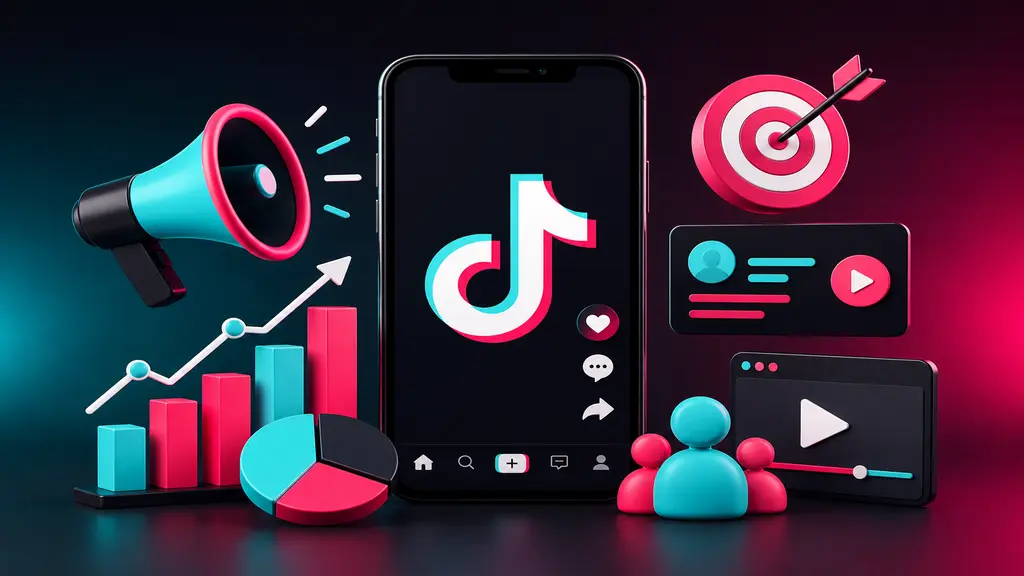
TikTok wasn’t built for marketing. It started as a lip-sync and dance app, nothing more. Somehow it turned into one of the strongest tools a brand can get its hands on, and the algorithm still doesn’t care whether you’re a Fortune 500 company or one guy filming from his bedroom. Get the first two seconds right and a brand-new account can beat one with a hundred times the followers. This post gets into what TikTok marketing actually looks like right now, what makes it work, and the mistakes that quietly kill most brand accounts before they get anywhere.
Understanding Digital Marketing on TikTok
Showing up where people already are, not interrupting them. That’s the whole idea behind TikTok marketing, and brands that get it right end up making content people would watch even without a product attached to it.
Instagram and Facebook reward follower count in a way TikTok just doesn’t. Here, the algorithm cares about engagement, so a zero-follower account can blow up overnight if a video actually lands. Which changes the math completely. A small business with next to no ad budget can go up against a brand with a full marketing department behind it, and win, simply because their video was more interesting to sit through for fifteen seconds.
Startups figured this out early, which is part of why TikTok became their default platform over Instagram. Organic content and paid ads both lean on the same three things here, trends, music, storytelling, and the accounts actually winning tend to have accepted something a lot of marketing departments still resist: personality and rough edges outperform a polished agency-made ad, almost every time.
Key Components of TikTok Digital Marketing
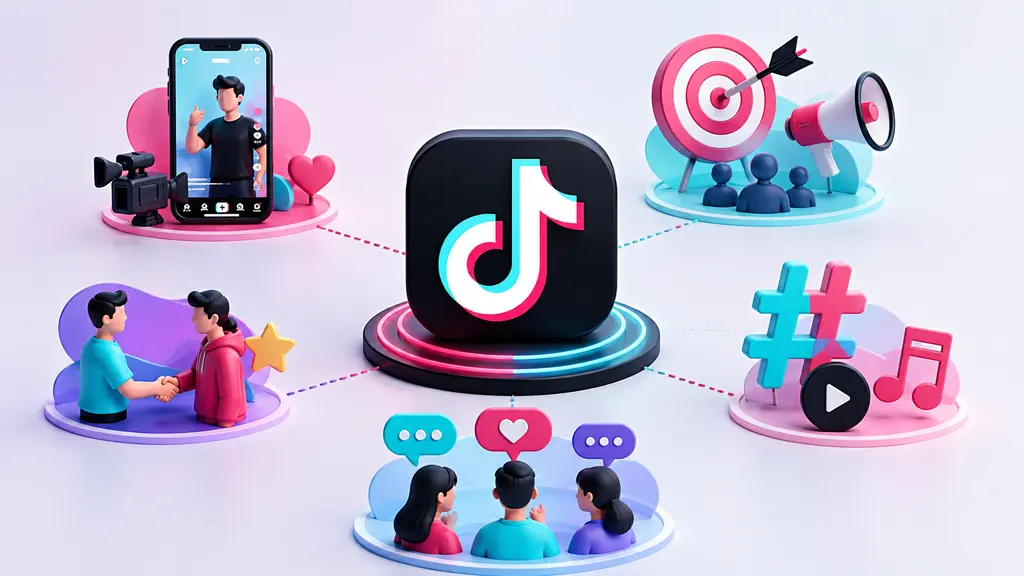
A handful of things actually move the needle here, and they don’t work the same way in isolation.
- Organic content: Short videos built around trending sounds, no ad spend involved. Slower to build, but it’s what creates a following made of people who actually stuck around, not ones who saw a single boosted post once and forgot the brand by morning.
- Paid ads: These come in once organic starts to plateau. In-Feed Ads, TopView Ads, Spark Ads, all letting a brand target by interest or demographic instead of just hoping the right people scroll past at the right moment.
- Creator partnerships: Works on a borrowed-trust principle, basically. Teaming up with someone who already has an audience means borrowing years of trust they built on their own, and that usually beats a brand talking to its own small following.
- Hashtags and trends: Still matter, though maybe not as much as three years ago. Mostly they help a video surface on the For You Page, and missing a trend by even a week usually means it’s already dead by the time you post.
- Actually showing up: Replying to comments, doing duets, being present. Sounds small, but it tells the algorithm, and real people, that someone’s behind the account and paying attention.
Why Businesses Are Investing in TikTok Marketing
The audience used to skew young. Not anymore, not even close. Every age bracket is scrolling now, which means the platform stopped being just for youth brands a while back. It’s relevant to almost anyone selling anything at this point.
Because videos have to be short, brands get forced into cutting the fluff, and that discipline ends up sharpening the whole message everywhere the brand shows up, not just on TikTok. There’s also the fact that organic reach still actually works here. Most platforms want businesses to pay just to get seen by their own existing followers. TikTok hasn’t fully gone that way yet. A genuinely good video with zero spend can still go properly viral, and for brands willing to take that bet, the payoff can be big.
Add TikTok Shop on top of this, in-app checkout with no redirect and no extra steps, and conversion rates tend to climb for a pretty simple reason: the friction’s gone.
How to Build a TikTok Marketing Strategy
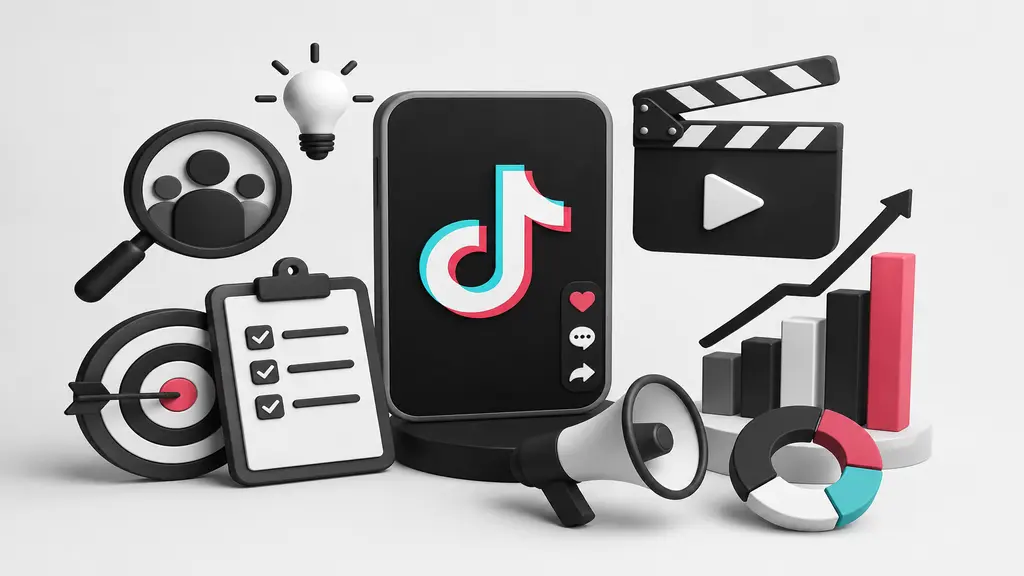
Audience first. Not the product, not the brand voice, the audience. Then look at what’s already working in the niche, what’s getting views, what’s dying on arrival. Set a goal after that, awareness or traffic or straight sales, whatever it is, and decide before posting randomly and hoping something sticks.
Consistency beats perfection, no exceptions to this one. Brands posting often and jumping on trends quickly tend to beat the ones spending two weeks polishing a single video. Nobody’s opening TikTok looking for cinematography, ever.
Test formats, actually look at the numbers instead of guessing, and lean into whatever’s working without getting precious about the rest. A good video shouldn’t die after one platform either. Something that performed well on TikTok can get a second life on Reels or Shorts, stretching the same effort across three platforms instead of one.
Common Mistakes Brands Make on TikTok
Most of it comes down to treating TikTok like a smaller Instagram. It isn’t one.
- Posting content that’s too polished: People expect something raw, a little rough around the edges, not content that looks like it came out of a boardroom. The moment something feels scripted, people scroll right past it.
- Ignoring trends until they feel “safe”: By the time a brand decides a trend is worth joining, it’s usually already dead, since trends here move faster than most content calendars can keep up with.
- Going quiet for weeks at a time: Visibility takes far longer to come back than it took to lose, and TikTok isn’t forgiving about disappearing acts the way some other platforms are.
- Posting and vanishing instead of replying: Growth quietly stalls when nobody’s actually in the comment section, since TikTok rewards accounts that participate, not ones that just publish and leave.
- Stuffing captions with unrelated hashtags: This usually backfires. It confuses the algorithm about what the video’s even about, instead of helping anyone find it.
How to Measure TikTok Marketing Success
To track overall ROI alongside your video views, presenting your campaign metrics in a structured SEO report can help stakeholders clearly understand your digital growth.
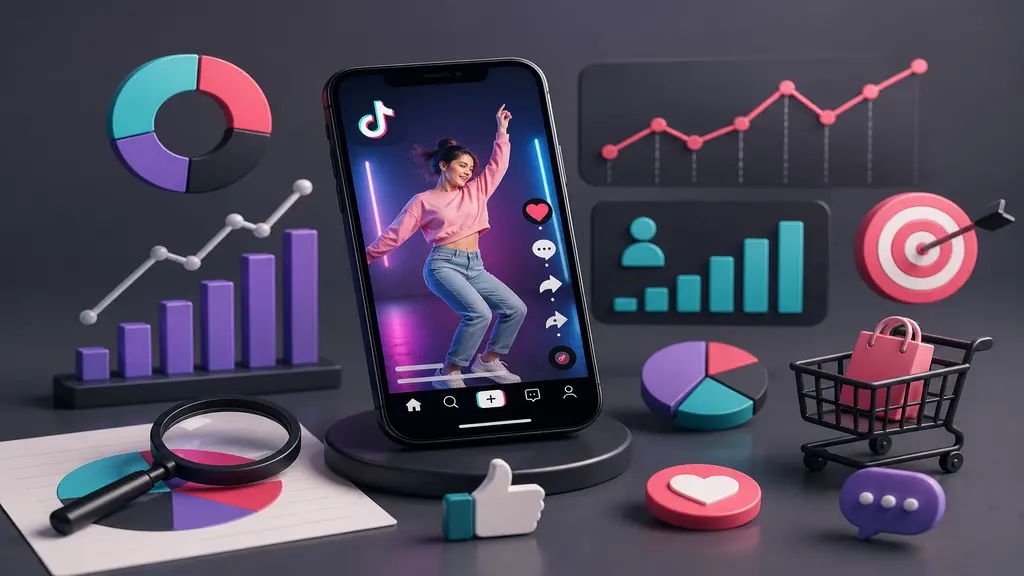
Views alone don’t say much. Watch time matters more, since it tells the algorithm whether people stuck around or bailed within two seconds. Shares and saves matter more than likes too, and it’s worth remembering why: a like takes zero thought, but a save or a share means someone decided the video was actually worth keeping or passing along.
Comments are close to free feedback on what to make next. Then there’s the business side of things, click-through rate, TikTok Shop conversions, clicks on the bio link, the numbers that actually show whether engagement is turning into something real. Brands that win long-term check these weekly rather than once a month, spot the pattern, double down, and drop whatever isn’t working.
Conclusion
TikTok marketing works because it mixes creativity, real connection, and smart advertising in a way most platforms can’t fully copy. Brands get to talk to people directly, in a format that doesn’t feel like being sold to.
Between organic trend participation and paid ads, there’s more than one way in, and the brands still standing a year from now tend to be the consistent ones, the ones that stayed themselves and kept experimenting instead of chasing every trend blindly. TikTok marketing pays off most for people who treat it as a community worth building, not just another channel to squeeze for sales.